The problem
We are treating a 2026 disease burden with a 1990 health system
Every family in India has heard this story. Someone healthy by every account gets one report, and the disease turns out to have been growing for years. We keep calling it sudden, but the data shows it is routine.
7 in 10 cancers in India are diagnosed at stage 3 or 4. Nearly half of heart attacks in Indian men happen before 50. These outcomes sit at the centre of our health system, and they are what it produces by default.
The disease changed in a generation, and the system stood still
A generation ago, infections took most Indian lives. Today about 2 in 3 deaths come from noncommunicable disease: heart disease, cancer, diabetes and related metabolic and neurological illness. About a quarter of those deaths happen before 70, in people's most productive years. Families and the economy absorb that loss every single year, and it is growing.
Share of deaths in India from noncommunicable disease
In one generation, the main threat moved from infection to silent, chronic disease
Hundreds of millions are already carrying it
India has an estimated 101 million people with diabetes and 136 million with prediabetes, the stage at which diabetes can still be stopped. Around 315 million live with hypertension. Between a third and half of people with diabetes have never been diagnosed. Every year we wait, more of them move past the stage where it could have been reversed.
Indians living with each condition
The silent burden, in millions of people
Nobody is paid to look, so nobody looks
Our doctors are among the best in the world. The gap sits earlier, in how the system is designed. Hospitals and diagnostics earn when people are sick, so nobody in the chain is paid to look inside someone who feels fine.
The annual checkup gives a generation false comfort. It reads blood chemistry, while most serious disease grows in the organs, where a blood test cannot see it. The layer that finds disease in people who feel well was never built, and every year without it shows up as another year of late diagnoses.
The solution
India needs a system that finds disease early, and it has to be built now
Prevention cannot be added onto a system designed for treatment. It needs its own infrastructure: a protocol designed from the science up, imaging and biomarkers in a single visit, AI that sees patterns no single test can, and doctors who confirm every finding and stay with the member afterwards.
It also has to be affordable, or it stays a privilege and changes nothing for the country. Multipurpose hospitals and labs run their MRI and CT machines intermittently, which keeps every scan expensive. Early detection at scale needs centres built around one protocol, which is what we set out to build with Cent.
Today that protocol brings full body MRI, low dose CT, DEXA, ECG, ECHO and over 100 biomarkers together in about 2 hours. We ran it through partner labs first, then opened our own centres in Bengaluru, Mumbai and Delhi NCR.
The findings
What we found inside 10,000 bodies
One protocol, run the same way for every member, gives India its first consistent look inside people who feel well. This is what it shows.
Feeling fine is no guarantee
This was the first thing the data showed us, and it has held from the very first scans.
Members who felt well
Out of every 40 members who walk in feeling fine
Risk arrives decades before we plan for it
Serious findings show up in every age group, including members in their 20s, and they rise sharply through the 40s.
Diabetes begins long before the diagnosis
Many members who had never been diagnosed with anything already had raised blood sugar. Found at this stage, it can still be reversed.
By age at scan
Members with a major or critical finding
Members never diagnosed with a long term condition
What their HbA1c showed
37% had blood sugar above normal without a diagnosis
Normal cholesterol, and plaque in the arteries anyway
Most members with significant plaque in their heart arteries had cholesterol reports that looked fine.
1 in 6 also carries an inherited heart risk called Lp(a), which a routine cholesterol test never checks.
Members with significant plaque in the heart arteries
What their LDL cholesterol showed
Cancer does not wait for 50
Half of the members with a finding suspicious for cancer were under 50. The youngest was 23.
Most of it can still be turned around, if it is found in time
of our members have liver fat or excess visceral fat
Both can often be reversed with the right care and follow up. For most members, a finding is the start of a plan.
India is still measured against someone else's normal
Most medical reference ranges were built on Western bodies. Indians develop diabetes younger and at lower weights, so a number that looks normal on a Western chart can already be risky for us.
Our members are building the dataset that will let India define its own healthy baseline.
Body mass index cutoffs
The same BMI reads differently for an Indian body
The vision
A billion Indians cannot wait another generation
Our ambition is preventive health for a billion Indians. Getting there means early detection that is more precise, followed over time, measured against Indian baselines, and cheaper every year. It has to happen this decade, because the disease is not waiting for the system to catch up.
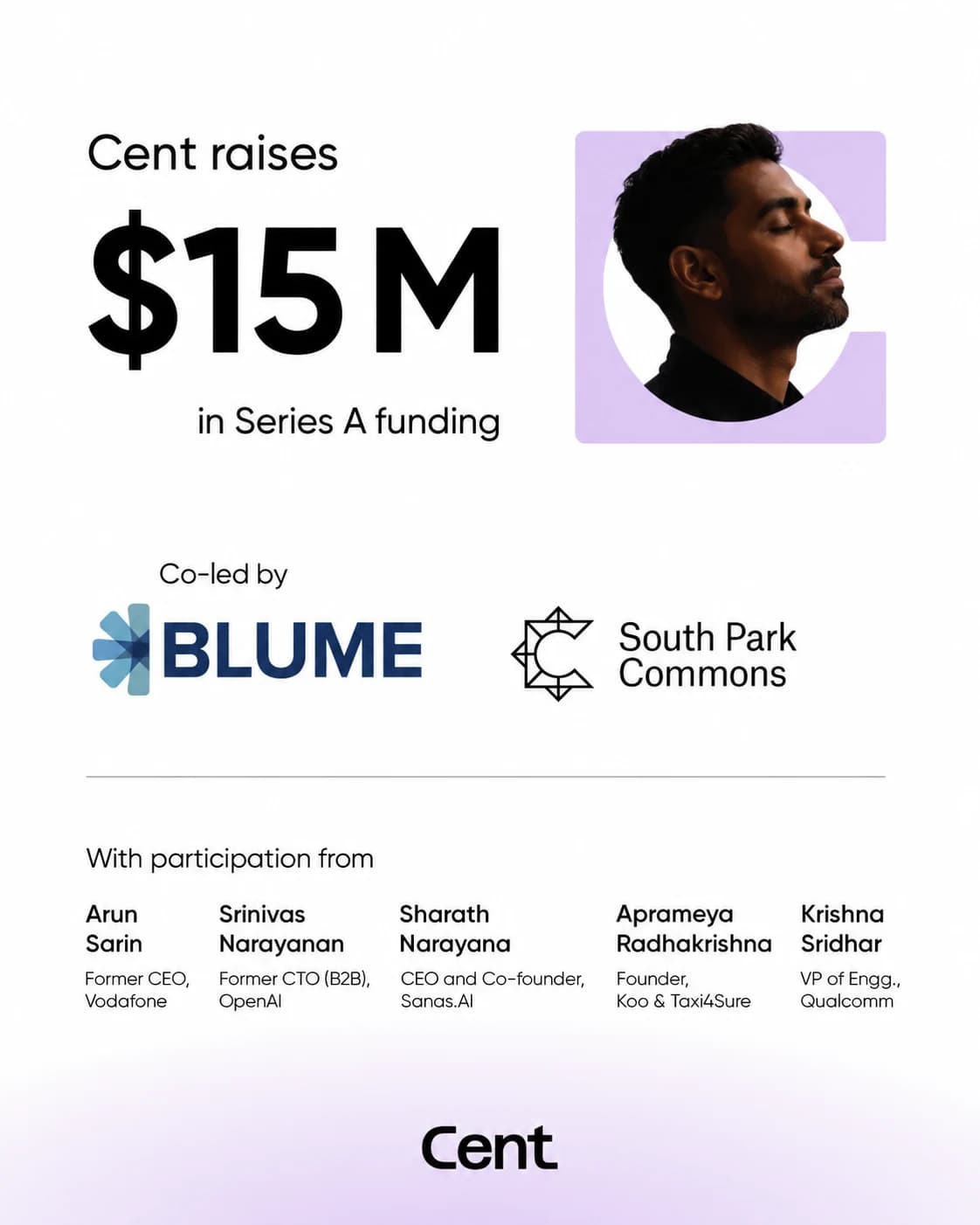
This round lets us move faster on it.
What we are building, starting now
Health followed year after year
A record of your body that grows with every visit, so change is caught the moment it begins. We are designing our own hardware for exactly this.
Seeing risk years sooner
Intelligence that reads imaging, blood and genetics together, so risk becomes visible years before any symptom does.
A healthy baseline for Indian bodies
Reference ranges drawn from healthy Indians, so normal finally means normal for us, and research the whole health system can build on.
Within reach of every household
Early detection that gets more affordable each year, until a full look inside the body is as routine as a blood test.
Our goal for 2035
On the way to preventive health for a billion Indians.
The ask
Don't wait for a symptom
Everything we believed when we started still holds, and the data has only made it more urgent. India is behind on finding disease early, and that gap closes one person at a time.
Thank you to our first 10,000 members for not waiting. If you feel fine today, that is exactly when to come in. If you're a doctor who sees prevention as real medicine, or a builder who wants to work on the layer India skipped, we need you now.
Visit cent.health »»»